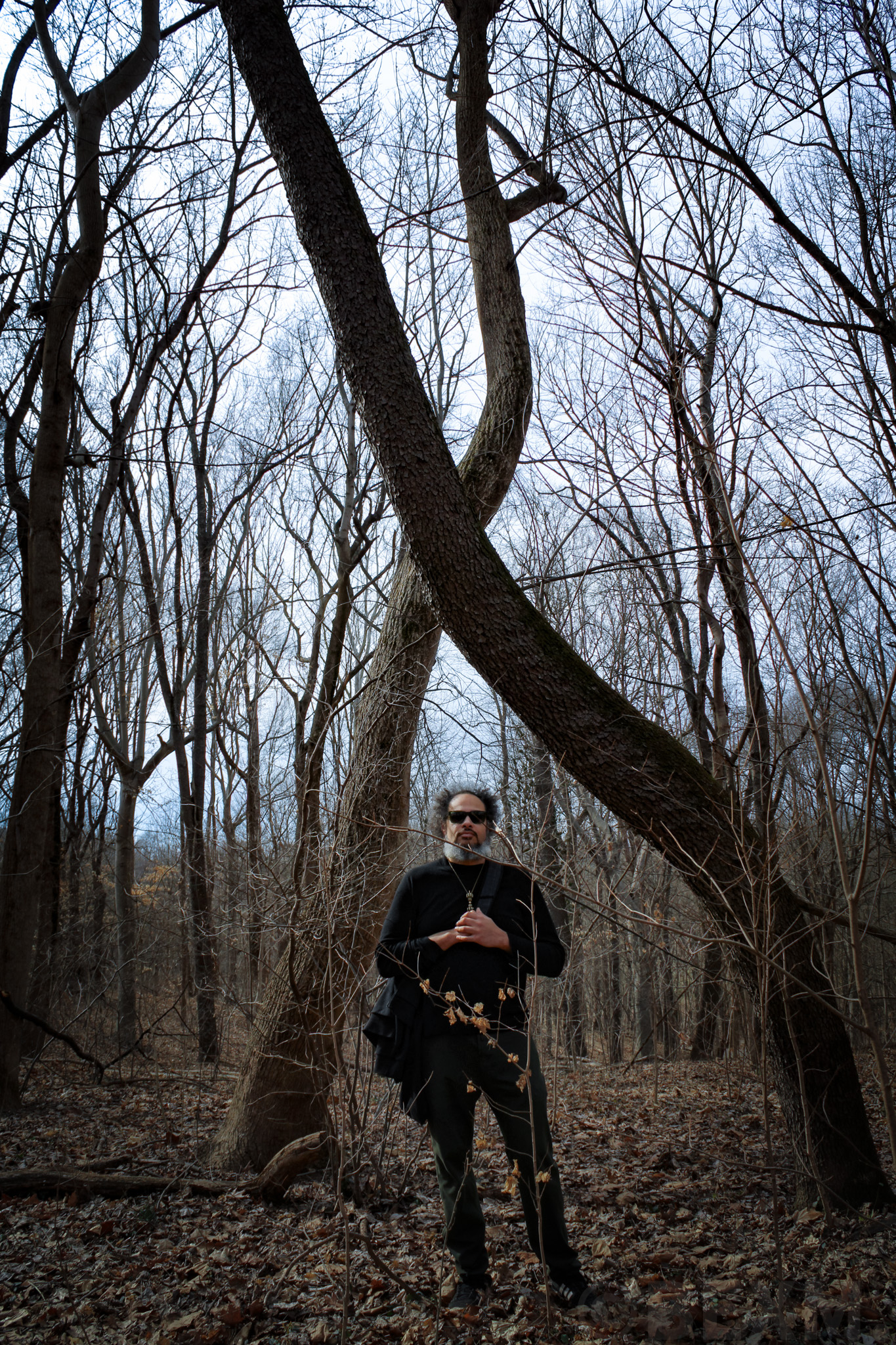
About me
More Than a Psychologist
I’m Dr. Broderick Sawyer—a clinical psychologist, former college basketball player, and longtime student of Buddhist practice and energy-based healing traditions. My work reflects the lived integration of everything I’ve studied, practiced, and embodied over the past decade: psychodynamic and trauma-informed psychology, mindfulness and meditation, liberation-based healing, and the disciplined, skill-based mindset shaped by years of competitive athletics.
In addition to guest interviews on CNN discussing topics such as Gen Z happiness, mental health hygiene, and Megan Thee Stallion’s mental health campaign, I have contributed to the field through publications rooted in Applied Liberation Psychology, including The Art and Science of Mindfulness, Vol. 3 and Liberated Cognitive Behavioral Therapy.
My Core Belief
I do not believe most people are simply struggling because they lack willpower, insight, or discipline. More often, they are living from patterns that were shaped by earlier relationships, environments, and survival demands. Anxiety, shame, overthinking, self-sacrifice, emotional shutdown, perfectionism, burnout, and relationship pain are often not random problems. They are adaptations—ways of staying connected, safe, functional, or valued under difficult conditions.
Healing, to me, is not just symptom reduction. It is becoming conscious of those patterns, understanding what they once protected, and gradually building a life that is no longer organized around old pain. That process requires both depth and practice: insight, attention, compassion, and repeated action.
A Decade of Buddhist Practice
For over 10 years, I have practiced Buddhist meditation and contemplative inquiry. That practice has deeply shaped how I understand suffering and change. For me, mindfulness is not about surface-level stress reduction. It is about learning how to observe the mind more clearly, relate to yourself with less condemnation, and loosen identification with fear, shame, fixation, and old survival roles.
My Buddhist practice has taught me that attention and compassion are not abstract ideals. They are trainable capacities. When strengthened over time, they can change how we relate to emotion, identity, and suffering itself. This understanding is central to my model of Applied Liberation Psychology and to the way I approach both therapy and teaching.
Beyond Any One Method
My work is not just clinical psychology, mindfulness, liberation-based healing, nervous system regulation, or energy-based work in isolation. It is an attempt to bring these traditions into meaningful conversation with one another in a way that is emotionally honest, practically useful, and deeply human.
I am interested in healing that helps people become more aware, more self-connected, and more free. That means not only helping people regulate symptoms, but also helping them understand the deeper structures shaping their lives: attachment, shame, identity, trauma, culture, and the many ways people learn to survive by abandoning parts of themselves.
How I Can Support You
Whether through 1:1 therapy, public speaking, therapist coaching, or free self-guided tools, my goal is the same:
To help people understand themselves more deeply, loosen survival-based patterns, and build lives that feel more grounded, honest, and aligned.
👉 Learn more about working with me
👉Explore free tools
👉Contact me